Why Your Gut Health Changes Dramatically During Pregnancy — And What to Do About It
Imagine this: you're eight weeks pregnant, and suddenly the foods you've always loved make you feel terrible. Your digestion feels sluggish, you're bloated by mid-afternoon, and constipation has become an unwelcome new companion. You chalk it up to "just pregnancy symptoms" and soldier on. But here'
Dr. Chomba Chuma, MD & Founder
MD & Founder, PregBiotics
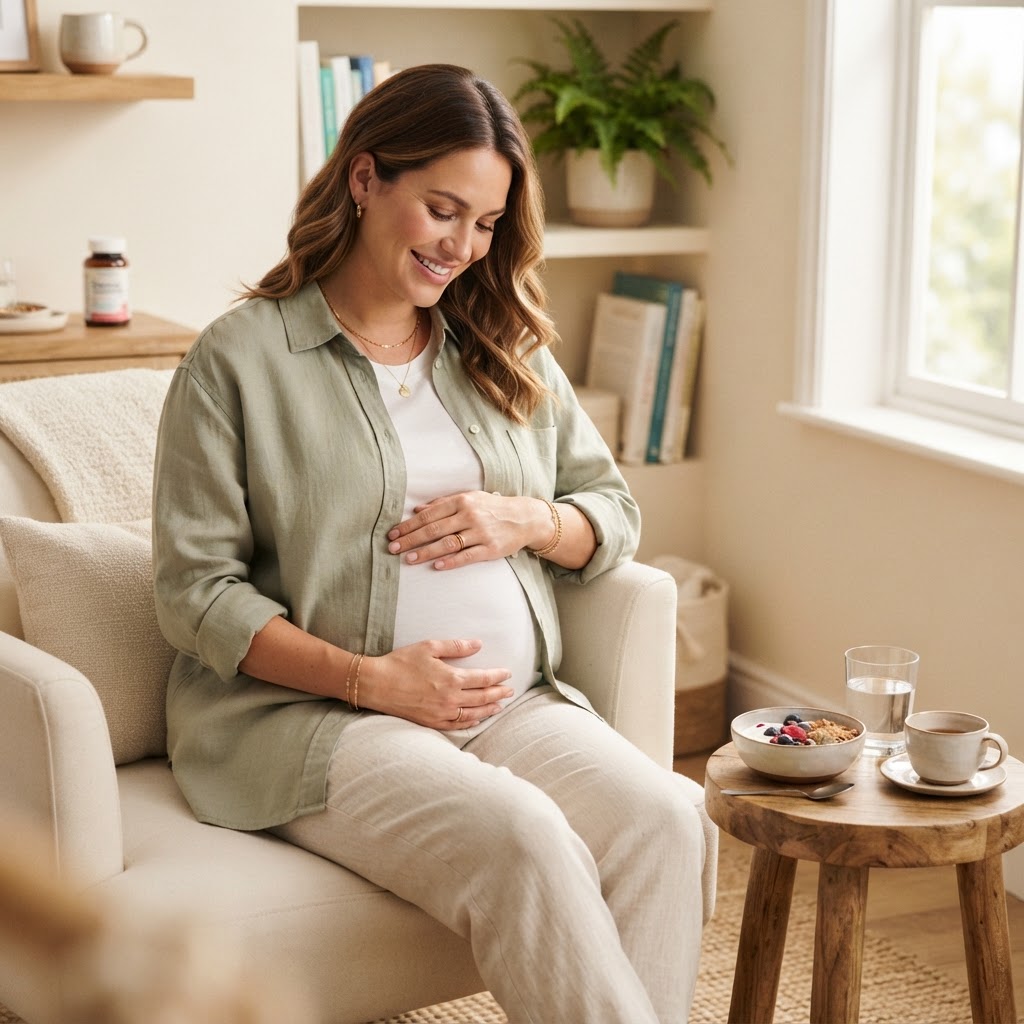
Why Your Gut Health Changes Dramatically During Pregnancy — And What to Do About It
By Dr. Chomba Chuma, MD & Founder | PregBiotics Journal
Introduction
Imagine this: you're eight weeks pregnant, and suddenly the foods you've always loved make you feel terrible. Your digestion feels sluggish, you're bloated by mid-afternoon, and constipation has become an unwelcome new companion. You chalk it up to "just pregnancy symptoms" and soldier on. But here's what most people don't tell you — what you're experiencing isn't random. It's your gut microbiome undergoing one of the most profound transformations of your life.
Here's a statistic that genuinely surprised me when I first encountered it in my research: studies published in Cell Host & Microbe found that the composition of a pregnant woman's gut microbiome changes so significantly between the first and third trimester that it mirrors the kind of microbial shifts seen in metabolic disease states — yet these changes are entirely normal and, fascinatingly, purposeful. Your body isn't malfunctioning. It's adapting in extraordinary ways to support two lives.
In this article, I'm going to walk you through exactly why pregnancy gut health changes so dramatically, what those changes mean for you and your baby, and — most importantly — what you can do to support your microbiome through every trimester. Whether you're in your first few weeks or approaching your third trimester, understanding the science behind your gut is one of the most empowering things you can do as a mother-to-be.
We'll cover the biology, the practical implications, the role of nutrition and targeted supplementation, and I'll share the evidence-based strategies I recommend to the mothers I work with every day.
The Science Behind Your Shifting Microbiome
Your gut is home to approximately 38 trillion microorganisms — bacteria, fungi, viruses, and other microbes — collectively known as your gut microbiome. This ecosystem influences everything from your immune function and mood to your metabolism and inflammation levels. Under normal circumstances, it maintains a relatively stable balance. But pregnancy changes the rules entirely.
Hormonal Shifts Reshape Microbial Communities
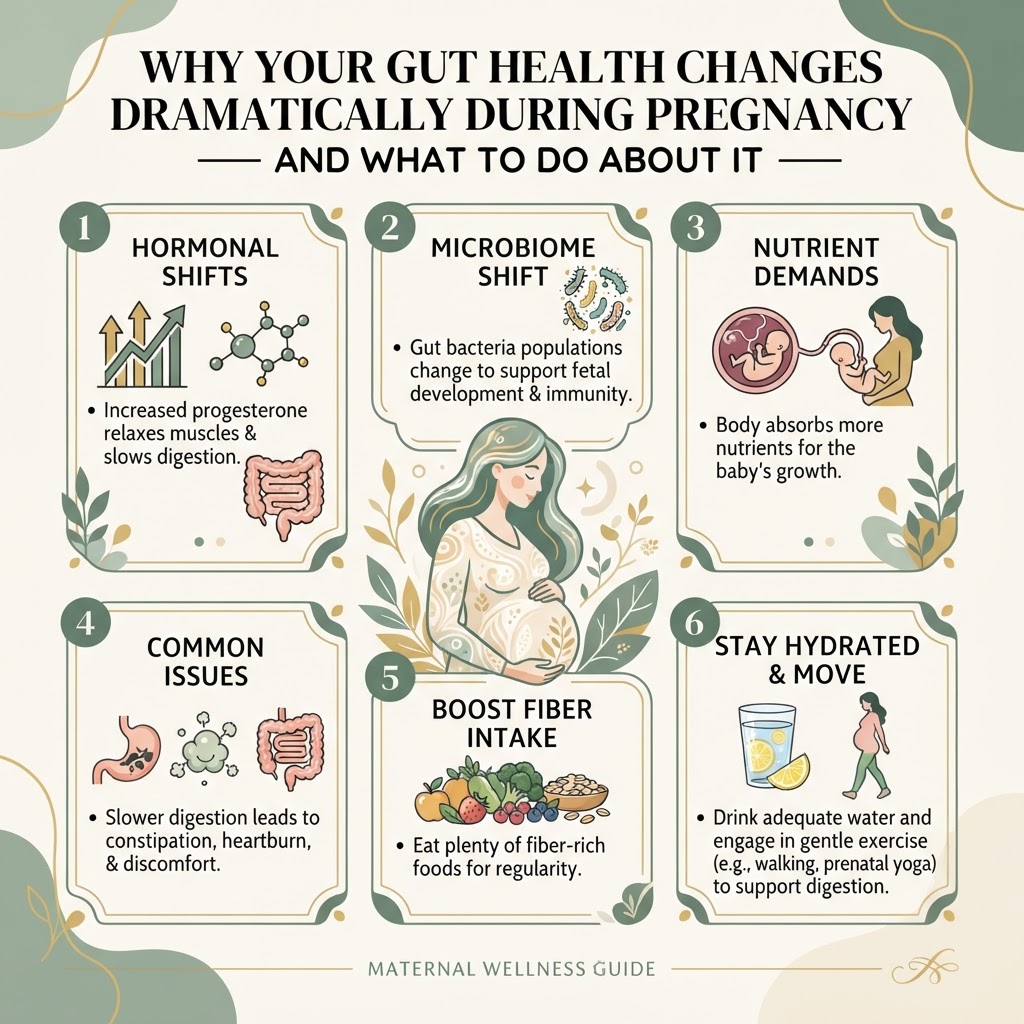
From the moment conception occurs, your body begins flooding itself with hormones — oestrogen and progesterone chief among them. These hormones don't just affect your mood and physical appearance; they directly influence which microbial species thrive in your gut and which are suppressed. Progesterone, in particular, slows gastrointestinal motility (the speed at which food moves through your intestines), creating a longer transit time. For your baby, this is a feature, not a bug — it maximises nutrient absorption. For you, it can mean bloating, constipation, and the uncomfortable feeling that your digestion is running at half speed.
The Microbiome Pregnancy Transformation — Trimester by Trimester
Research has shown that the microbiome in pregnancy evolves in a highly structured, purposeful way:
First Trimester: Microbial diversity begins to shift. Certain protective species, particularly Lactobacillus strains, become more dominant. This is thought to help regulate immune tolerance — essentially teaching your immune system not to attack the embryo, which it might otherwise recognise as "foreign."
Second Trimester: Greater changes occur in bacterial composition. There's often a reduction in species associated with short-chain fatty acid (SCFA) production, which can affect gut barrier integrity and inflammation regulation.
Third Trimester: The microbiome reaches its most altered state — one that, in non-pregnant individuals, would be associated with increased inflammation and insulin resistance. Yet in pregnancy, these changes appear to serve a metabolic purpose: driving increased energy extraction from food to fuel your baby's rapid growth. Research from the Sonnenburg Lab at Stanford has been particularly illuminating on this point.
Gut Dysbiosis in Pregnancy — When the Balance Tips
Not all microbiome changes during pregnancy are beneficial. Gut dysbiosis in pregnancy — an imbalance in which harmful bacteria outcompete beneficial ones — is a genuine concern. Dysbiosis has been linked to:
- Gestational diabetes mellitus (GDM)
- Preterm labour
- Excessive gestational weight gain
- Preeclampsia
- Increased risk of Group B Streptococcus (GBS) colonisation
- Postpartum depression
The World Health Organization recognises the complexity of preterm birth risk factors, and emerging evidence continues to implicate gut and vaginal microbiome imbalances as contributing factors. This is why supporting your gut health isn't a luxury during pregnancy — it's a genuine pillar of maternal and fetal wellbeing.
What This Means For You
Understanding the science is one thing. But what does a shifting pregnancy gut health landscape actually look and feel like in daily life? Here's how these biological changes tend to manifest — and why they happen:
-
Nausea and vomiting (morning sickness): While primarily driven by rising hCG levels, gut microbiome shifts may amplify nausea signals. Some research suggests that women with less diverse gut microbiomes experience more severe morning sickness.
-
Constipation: Progesterone-driven slowing of gut motility affects up to 40% of pregnant women. Reduced Bifidobacterium populations — a common occurrence — also diminish the production of short-chain fatty acids that keep bowel movements regular.
-
Bloating and gas: Changes in bacterial fermentation patterns in the colon produce more gas. Combined with a growing uterus compressing your digestive organs, this can feel relentless.
-
Heartburn and reflux: The lower oesophageal sphincter relaxes under progesterone's influence, allowing stomach acid to travel upward. Gut dysbiosis can exacerbate inflammation in the oesophagus.
-
Food cravings and aversions: Your microbiome influences appetite signals and cravings more than previously appreciated. Shifts in bacterial populations can genuinely alter what you want to eat.
-
Immune vulnerability: Approximately 70% of your immune system resides in your gut. When your microbiome is disrupted, your immune defences can be compromised — making you more susceptible to infections, including Group B Streptococcus. If this is a concern for you, I'd encourage you to explore our dedicated GBS Shield programme for evidence-based microbiome support in this area.
-
Mood changes and anxiety: The gut-brain axis — the communication highway between your microbiome and your brain — is highly active during pregnancy. Dysbiosis has been linked to increased rates of antenatal anxiety and depression through its influence on serotonin production (90% of which is made in the gut).
-
Gestational diabetes risk: Third-trimester microbiome changes that increase caloric extraction can tip into insulin resistance when gut health isn't adequately supported.
The key message here is this: you are not imagining your symptoms. They are rooted in real, measurable biological changes — and they are addressable.
The Role of Nutrition and Supplementation
One of the most empowering truths I share with expectant mothers is that your microbiome is responsive. It changes based on what you feed it, the environment you create, and the targeted support you give it. Here's how to actively nurture your pregnancy gut health:
Dietary Foundations
Your gut microbiome thrives on diversity and fibre. During pregnancy, aim to:
- Eat 30+ different plant foods per week — this has been shown to dramatically increase microbial diversity
- Prioritise prebiotic-rich foods such as garlic, onions, leeks, asparagus, bananas, and oats — these feed your beneficial bacteria
- Include fermented foods like live yoghurt, kefir, and sauerkraut where tolerated (always ensure they're pasteurised and pregnancy-safe)
- Stay well hydrated — water supports gut motility and helps prevent constipation
- Minimise ultra-processed foods — these are associated with reduced microbial diversity and increased dysbiosis
Why Pregnancy Probiotics Matter
Diet alone, while foundational, is often insufficient to counteract the scale of microbiome disruption that occurs during pregnancy — particularly if you've taken antibiotics, experienced illness, or struggled with dietary variety due to nausea. This is where pregnancy probiotics become genuinely valuable.
Research published in the British Journal of Nutrition has shown that targeted probiotic supplementation during pregnancy can reduce the risk of gestational diabetes, preterm birth, preeclampsia, and postpartum depression. Not all probiotics are created equal, however. The strains matter. The CFU count matters. The inclusion of prebiotics to feed those strains matters.
This is precisely why I developed PregBiotics Essentials — a supplement formulated specifically for the unique demands of the pregnant microbiome, drawing on the latest clinical evidence.
Key components of PregBiotics Essentials include:
- Lactobacillus rhamnosus GG — one of the most extensively studied probiotic strains in pregnancy; supports immune regulation and reduces GDM risk
- Lactobacillus acidophilus — supports vaginal microbiome health and nutrient absorption
- Bifidobacterium longum — produces short-chain fatty acids, supports gut barrier integrity, and has mood-supporting properties via the gut-brain axis
- Bifidobacterium lactis BB-12 — shown to reduce constipation and improve bowel regularity during pregnancy
- Prebiotic inulin-FOS — a plant-derived prebiotic blend that feeds and sustains the probiotic strains in the colon
- Folate (methylated L-methylfolate) — the bioavailable form of folate, critical for neural tube development and supported by a healthy gut for optimal absorption
- Vitamin D3 — immune-critical and increasingly understood to work synergistically with the microbiome
Each capsule of PregBiotics Essentials is designed for the full pregnancy journey — safe from the first trimester through to the postpartum period.
Expert Tips and Actionable Advice
Here are my top evidence-based recommendations for mothers looking to actively support their gut health throughout pregnancy:
-
Start early. The first trimester is when your microbiome begins its most significant transformation. Beginning probiotic and dietary support before symptoms appear is far more effective than trying to correct dysbiosis once it's established.
-
Take your probiotic consistently. Probiotics work through regular, daily use. Taking them intermittently reduces their effectiveness. Build it into your morning or evening routine — I recommend taking PregBiotics Essentials with breakfast to support adherence.
-
Don't rely on probiotics alone — feed the bacteria you're introducing. Prebiotics (the fibre that feeds beneficial bacteria) are just as important as the probiotics themselves. This is why I formulated Essentials with a prebiotic blend, but also why eating a fibre-rich diet amplifies the supplement's benefits.
-
Manage stress actively. Chronic stress is one of the most potent disruptors of gut microbiome balance. Even 10 minutes of mindful breathing daily has been shown to measurably reduce cortisol and support microbial diversity.
-
Be mindful of antibiotic use. Antibiotics are sometimes necessary during pregnancy — and I always support their appropriate use. However, if you do need a course of antibiotics, begin or continue your probiotic support and speak with your provider about timing (take probiotics 2 hours away from antibiotic doses where possible).
-
Prioritise sleep. Gut bacteria have their own circadian rhythms. Poor sleep disrupts these rhythms and has been linked to increased gut dysbiosis. Aim for 7–9 hours, and consider sleeping on your left side in the later trimesters to support gut motility.
-
Move your body gently every day. Exercise — even a 20-minute walk — promotes gut motility and positively influences microbial diversity. Gentle prenatal yoga has the added benefit of stress reduction.
-
Hydrate meaningfully. Water helps maintain the mucosal lining of your gut, which is your microbiome's primary habitat. Aim for 8–10 glasses daily, more in warm weather or after exercise.
-
Explore your personal gut health blueprint. Every woman's microbiome is unique. For personalised guidance across your pregnancy, explore our comprehensive Pregnancy Gut Guide, which I've developed to offer trimester-by-trimester support.
-
Carry your knowledge forward. The microbiome you build during pregnancy is part of the first microbial gift you give your baby — at birth, they are colonised by your vaginal and gut bacteria. Optimising your microbiome is an investment in two lifetimes.
When to Seek Medical Advice
While the gut changes described in this article are largely normal aspects of pregnancy, there are times when symptoms warrant prompt medical attention. Please consult your healthcare provider or midwife if you experience:
- Severe or persistent diarrhoea lasting more than 48 hours
- Blood in your stool at any point during pregnancy
- Severe abdominal cramping or pain that is not relieved by dietary changes
- Signs of severe dehydration — dark urine, dizziness, dry mouth
- Significant unintentional weight loss due to vomiting or inability to eat
- Symptoms of gestational diabetes — excessive thirst, frequent urination, fatigue, blurred vision
- Any new or worsening symptoms you are unsure about
This article is intended as educational content and is not a substitute for individualised medical advice. Every pregnancy is unique, and your obstetric team, midwife, or GP are your most important partners in your care. If you have a pre-existing gastrointestinal condition such as IBD or IBS, please discuss any new supplementation with your provider before beginning.
Conclusion
Your gut is doing extraordinary work during pregnancy. It is adapting, shifting, and transforming in ways that are designed to protect your baby, nourish your growing body, and prime your child's own immune system before they take their first breath. That is nothing short of remarkable.
But understanding that these changes are purposeful doesn't mean you have to suffer through the discomfort they can bring — or accept dysbiosis as inevitable. The evidence is clear: proactive, targeted support of your pregnancy gut health through nutrition, lifestyle, and high-quality pregnancy probiotics like PregBiotics Essentials can reduce your risk of serious pregnancy complications, improve your day-to-day wellbeing, and lay the healthiest possible microbial foundation for your baby.
You have more agency over your gut health than you may realise. Every fibre-rich meal, every consistent probiotic capsule, every mindful breath is a message to your microbiome: I see you, and I'm taking care of us.
I built PregBiotics because I believe that every mother deserves access to science-backed guidance on one of the most overlooked aspects of maternal health. You deserve to feel supported, informed, and empowered through every stage of this journey.
For more expert articles, research breakdowns, and practical guidance, visit The PregBiotics Journal — your science-led companion through every trimester and beyond.
With warmth and evidence,
Dr. Chomba Chuma, MD Founder, PregBiotics
References: 1. Koren O, et al. (2012). Host remodeling of the gut microbiome and metabolic changes during pregnancy. Cell Host & Microbe, NCBI 2. World Health Organization. Preterm Birth Fact Sheet. WHO 3. Lindsay KL, et al. Probiotic supplementation during pregnancy — current evidence and recommendations. British Journal of Nutrition, Cambridge
Get the PregBiotics Journal in your inbox
Gut-smart guidance for conception, pregnancy and breastfeeding — twice a week, plus member-only offers. Unsubscribe anytime.
You deserve to feel beautifully supported.
Join thousands of mothers on the PregBiotics journey. Receive your free Pregnancy Prep Guide and gentle, science-backed wisdom — tailored to where you are right now.