Why Your Gut Health Changes Dramatically During Pregnancy — And What to Do About It
Picture this: You're twelve weeks pregnant, and suddenly the foods you've always loved make you feel nauseous, bloated, or uncomfortably full. Your digestion feels sluggish, your energy is unpredictable, and you're spending far more time thinking about your bathroom habits than you ever imagined. So
Dr. Chomba Chuma, MD & Founder
MD & Founder, PregBiotics
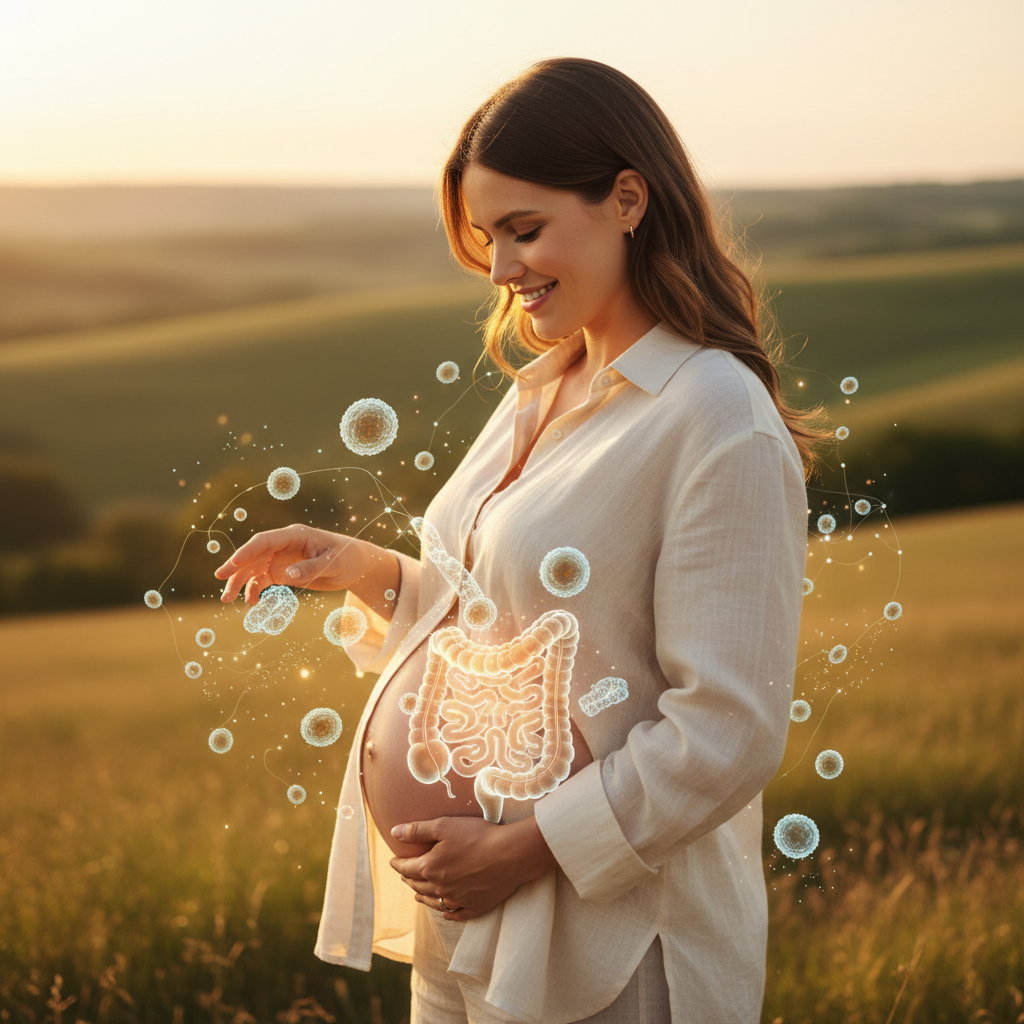
Why Your Gut Health Changes Dramatically During Pregnancy — And What to Do About It
By Dr. Chomba Chuma, MD & Founder | PregBiotics Journal
Introduction
Picture this: You're twelve weeks pregnant, and suddenly the foods you've always loved make you feel nauseous, bloated, or uncomfortably full. Your digestion feels sluggish, your energy is unpredictable, and you're spending far more time thinking about your bathroom habits than you ever imagined. Sound familiar?
You're not alone — and more importantly, you're not imagining it.
What most expectant mothers don't realise is that pregnancy triggers one of the most profound biological transformations your gut will ever experience. In fact, research published in Cell found that the gut microbiome undergoes changes during pregnancy that are so significant, they resemble shifts seen in metabolic conditions like type 2 diabetes — yet these changes serve a critical evolutionary purpose for both mother and baby. (Koren et al., 2012, Cell)
This isn't just about uncomfortable digestion. Your pregnancy gut health directly influences your immune system, your mood, your nutrient absorption, your baby's developing microbiome, and even your risk of complications like gestational diabetes and Group B Streptococcus (GBS).
In this article, I want to walk you through exactly what happens to your gut during pregnancy, why it matters more than most people — including many healthcare providers — realise, and most importantly, what you can do to support your microbiome every step of the way. Whether you're in your first trimester or approaching your due date, understanding this science is one of the most empowering things you can do for yourself and your growing baby.
The Remarkable Science of Your Changing Gut Microbiome During Pregnancy
What Is the Gut Microbiome?
Your gut is home to trillions of microorganisms — bacteria, fungi, viruses, and other microbes — collectively known as your gut microbiome. This vast ecosystem plays a central role in digestion, immunity, inflammation regulation, mental health, and metabolism. In a healthy, balanced state, beneficial bacteria keep harmful ones in check, producing protective compounds like short-chain fatty acids and supporting the gut lining's integrity.
But pregnancy changes everything.
Hormones as the Architect of Change
From the moment of conception, a cascade of hormonal shifts begins reshaping your body — and your gut microbiome is no exception. Rising levels of progesterone, oestrogen, and human chorionic gonadotropin (hCG) don't just affect your mood and body shape; they directly alter the composition and diversity of your gut bacteria.
Progesterone, in particular, relaxes smooth muscle tissue throughout the body — including the muscles lining your gastrointestinal tract. This slows what scientists call "gut motility," meaning food moves more slowly through your digestive system. While this allows more time for nutrient absorption (beneficial for your baby), it also creates an environment where gas, bloating, and constipation become frequent companions.
Trimester-by-Trimester Microbiome Shifts
One of the most fascinating discoveries in recent microbiome research is that the gut doesn't change uniformly throughout pregnancy. Studies show distinct shifts across each trimester:
- First Trimester: Microbial diversity begins to decrease. This is associated with nausea and altered appetite, which themselves influence which bacteria thrive.
- Second Trimester: A gradual enrichment of certain bacterial communities, including those associated with increased caloric extraction from food — part of why many women experience increased appetite and weight gain.
- Third Trimester: Microbiome diversity reaches its lowest point, with a profile that somewhat resembles metabolic syndrome. This is actually thought to be an evolutionary adaptation to maximise energy for the final stages of foetal growth — but it also makes mothers more vulnerable to gut dysbiosis and immune dysregulation.
What Is Gut Dysbiosis — And Why Does It Matter in Pregnancy?
Gut dysbiosis in pregnancy refers to an imbalance in the gut microbial community — too many harmful bacteria and too few beneficial ones. This imbalance has been linked to:
- Gestational diabetes mellitus (GDM)
- Preeclampsia
- Excessive gestational weight gain
- Increased susceptibility to infections, including GBS
- Preterm birth risk
- Postpartum depression
The gut is also in constant communication with the immune system. Approximately 70–80% of your immune cells reside in or around your gut. During pregnancy, your immune system is deliberately modulated to tolerate the genetically "foreign" foetus — and your gut microbiome plays a central signalling role in this delicate immunological balancing act. (Nuriel-Ohayon et al., 2016, Frontiers in Microbiology)
Your Baby Is Already Being Shaped by Your Gut
Perhaps most remarkable of all: your microbiome is already influencing your baby's future health. Microbial metabolites cross the placenta, influencing foetal immune programming. During vaginal birth, your baby is inoculated with your vaginal and gut microbiota — a critical seeding event that shapes their immune, digestive, and even neurological development for years to come.
This means supporting your microbiome during pregnancy isn't just about your comfort. It's a profound act of care for the person growing inside you.
What This Means For You: Connecting the Science to Your Daily Experience
Understanding the science is powerful — but I know what you really want to know is: what does this actually feel like, and what should I watch out for?
Here's how these microbiome changes tend to show up in real life during pregnancy:
-
Digestive discomfort: Bloating, gas, constipation, and heartburn are among the most common complaints of pregnancy — and the gut microbiome shift is a major contributing factor. As motility slows and bacterial balance shifts, fermentation in the gut increases, producing more gas and discomfort.
-
Increased food sensitivities: Changes in the gut lining's permeability (sometimes called "leaky gut") during pregnancy can make you more reactive to foods you previously tolerated well. This is linked to reduced levels of protective bacteria like Lactobacillus species.
-
Fatigue and brain fog: Your gut produces roughly 90% of your body's serotonin. When the microbiome is disrupted, neurotransmitter production is affected — contributing to that relentless pregnancy fatigue and the "mummy brain" phenomenon that starts well before birth.
-
Immune vulnerability: With your immune system already modulated for pregnancy, gut dysbiosis can tip the balance further, increasing susceptibility to urinary tract infections, thrush, and bacterial vaginosis — all of which are significantly more common in pregnancy.
-
Mood fluctuations: The gut-brain axis — the two-way communication highway between your gut and your brain — means that microbiome disruption can amplify anxiety and low mood, which are already hormonally influenced during pregnancy.
-
Nutritional deficiencies: A disrupted gut microbiome can impair the absorption of critical pregnancy nutrients including iron, folate, magnesium, and vitamin D — even if you're eating well and taking prenatal supplements.
-
Nausea sensitivity: Emerging research suggests that women with less diverse, less balanced gut microbiomes may experience more severe nausea and vomiting in the first trimester, though research is ongoing.
Recognising these connections is empowering. It means that many of the discomforts you're experiencing aren't random — they're signals from a gut that needs support. And the good news is that targeted, evidence-based intervention can make a meaningful difference.
For a deeper understanding of how your gut health intersects with specific pregnancy risks, including GBS colonisation, I'd encourage you to explore our Pregnancy Gut Guide, which we've developed specifically for expectant mothers navigating these changes.
The Role of Nutrition and Supplementation in Supporting Pregnancy Gut Health
Food First: The Foundation of a Healthy Pregnancy Microbiome
Before we talk supplements, let's be clear: food is foundational. A diet rich in diverse plant fibres, fermented foods, and anti-inflammatory nutrients is the bedrock of a healthy gut during pregnancy.
Key dietary principles for supporting your pregnancy gut health include:
- Increase dietary fibre: Aim for 25–30g per day from diverse sources including vegetables, legumes, whole grains, fruits, and nuts. Fibre feeds beneficial bacteria and supports bowel regularity.
- Include fermented foods: Natural yoghurt, kefir, sauerkraut, kimchi, and miso contain live cultures that can support microbial diversity.
- Stay hydrated: Water is essential for bowel motility and the mucosal lining of your gut.
- Reduce ultra-processed foods: These are high in additives and low in fibre, and have been shown to negatively impact microbial diversity.
- Eat the rainbow: Polyphenols — the pigments in colourful fruits and vegetables — act as prebiotics, selectively feeding beneficial gut bacteria.
Why Diet Alone Often Isn't Enough During Pregnancy
Here's the honest truth: even with the best dietary intentions, pregnancy throws significant curveballs. First-trimester nausea may severely limit what you can eat. Food aversions can wipe out entire food groups. Iron supplements, commonly prescribed in pregnancy, are notorious for disrupting the gut microbiome and worsening constipation. And the dramatic hormonal and physiological changes mean your gut is under unprecedented pressure regardless of what you eat.
This is where targeted supplementation becomes not just helpful, but genuinely important.
Introducing PregBiotics Essentials
PregBiotics Essentials was formulated specifically for this challenge. As a physician who spent years frustrated by the lack of genuinely evidence-based, pregnancy-specific gut health products, I created PregBiotics Essentials to address the real, documented microbiome needs of pregnant women — not just to offer a generic probiotic repackaged with a pink label.
Here's what makes it different:
-
Clinically relevant probiotic strains:
- Lactobacillus rhamnosus GG — one of the most extensively studied strains in pregnancy, associated with reduced risk of gestational diabetes, preterm birth, and infant eczema
- Lactobacillus acidophilus — supports vaginal microbiome balance and reduces risk of bacterial vaginosis
- Bifidobacterium longum — critical for immune modulation and associated with reduced maternal anxiety
- Lactobacillus reuteri — shown to reduce severity of nausea and support infant colic prevention
-
Prebiotic fibre blend: Including inulin and fructooligosaccharides (FOS) to feed and sustain the beneficial bacteria you're introducing
-
Key co-nutrients:
- Folate (methylfolate form, for superior absorption)
- Vitamin D3 — essential for immune function and foetal bone development
- Magnesium bisglycinate — to support bowel regularity and reduce leg cramps
- Ginger extract — at a clinically studied dose for nausea relief
-
Acid-resistant capsule technology: Ensuring the live cultures actually reach your gut alive and active
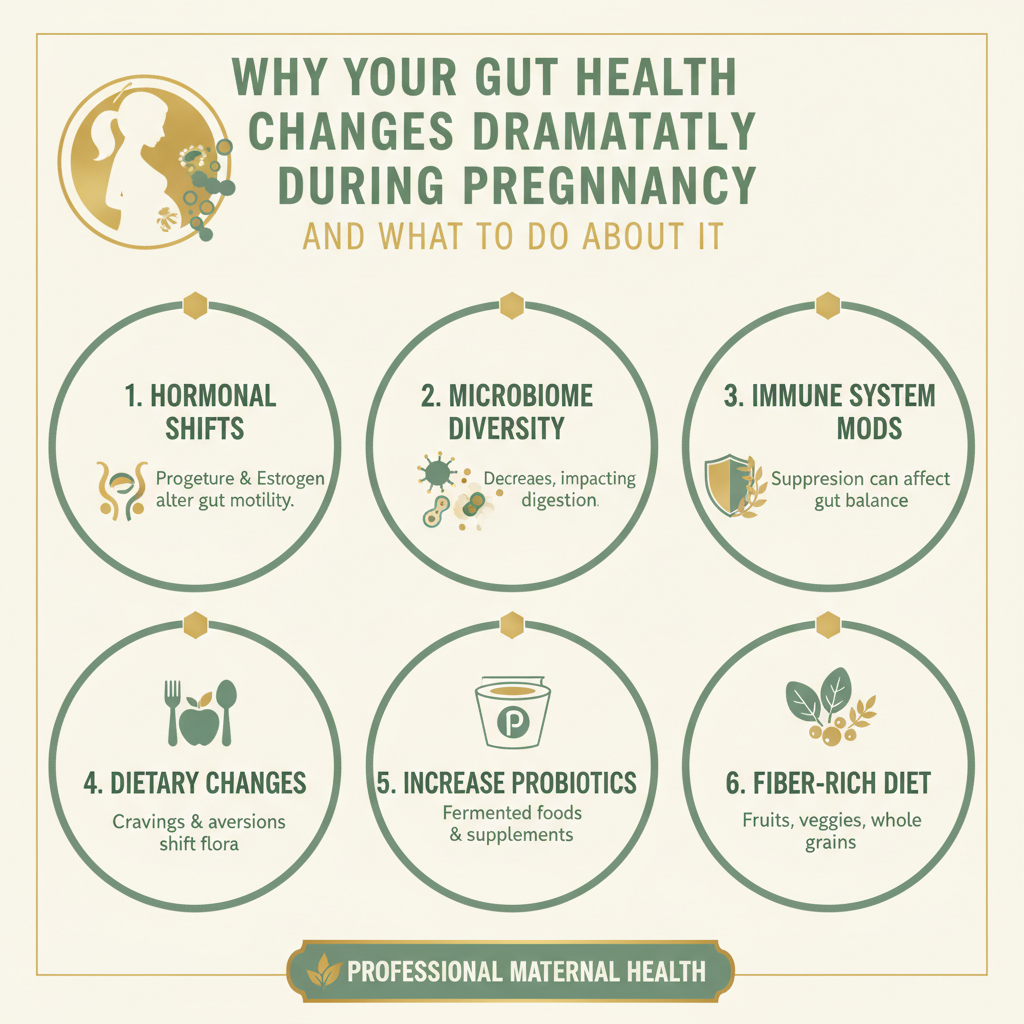
The pregnancy probiotics in PregBiotics Essentials are supported by peer-reviewed research demonstrating safety and efficacy throughout all trimesters, and the formula is free from allergens, artificial additives, and ingredients contraindicated in pregnancy. (NHS — Probiotics)
Expert Tips & Actionable Advice for Supporting Your Gut Through Every Trimester
Based on my clinical experience and the current evidence base, here are my top recommendations for protecting and restoring your gut health during pregnancy:
-
Start early. Ideally, begin supporting your gut microbiome before conception or in the first trimester. The earlier you establish a healthy baseline, the more resilient your microbiome will be as pregnancy progresses.
-
Take your probiotics consistently. Unlike many supplements, probiotics need to be taken regularly to have a sustained effect. I recommend taking PregBiotics Essentials daily, at the same time each day — ideally with a small meal to buffer stomach acid.
-
Pair probiotics with prebiotics. Probiotics without prebiotics are like planting seeds without watering them. Make sure your diet includes prebiotic-rich foods (garlic, onions, leeks, asparagus, bananas, oats) or choose a supplement that includes both, as PregBiotics Essentials does.
-
Move gently but regularly. Even 20–30 minutes of gentle walking each day significantly improves gut motility, reduces constipation, and supports microbial diversity. Prenatal yoga and swimming are also excellent options.
-
Manage stress actively. Chronic stress profoundly disrupts the gut microbiome via the gut-brain axis. Mindfulness practice, adequate sleep, and social support are not luxuries — they are gut health interventions.
-
Be cautious with antibiotics. While sometimes medically necessary and lifesaving, antibiotics cause significant disruption to the gut microbiome. If you are prescribed antibiotics during pregnancy, speak to your provider about concurrent and post-antibiotic probiotic support.
-
Don't neglect your vaginal microbiome. Your vaginal microbiome — dominated by Lactobacillus species in a healthy state — is directly connected to your gut microbiome. Supporting one supports the other, and this matters enormously for your baby's microbial seeding at birth.
-
Track your symptoms. Keeping a simple gut health diary can help you identify patterns — which foods worsen bloating, when constipation is worst, how your mood correlates with digestive symptoms. This information is invaluable for personalising your approach.
-
Hydrate strategically. Drink water between meals rather than during meals to support digestion without diluting stomach acid, which is needed to break down food and protect against pathogens.
-
Talk to your midwife or doctor. Always keep your healthcare provider in the loop about supplements you're taking and symptoms you're experiencing.
When to Seek Medical Advice
While many gut changes in pregnancy are entirely normal, some symptoms warrant prompt medical attention. Please consult your midwife, obstetrician, or GP if you experience:
- Severe or persistent abdominal pain that is not relieved by dietary changes or rest
- Blood in your stools — this should always be investigated
- Severe, prolonged vomiting that prevents you from keeping any food or fluid down (hyperemesis gravidarum requires medical management)
- Signs of infection such as fever alongside gut symptoms
- Sudden significant changes in bowel habits that are markedly different from your pregnancy baseline
- Symptoms of preterm labour accompanied by gastrointestinal disturbance
PregBiotics Essentials is a supplement, not a treatment for medical conditions. It is designed to complement good antenatal care — not replace it. Before beginning any new supplement regimen during pregnancy, please discuss it with your healthcare provider, particularly if you have a pre-existing health condition, are immunocompromised, or have any pregnancy complications.
Your safety and your baby's safety always come first.
Conclusion
Pregnancy is extraordinary — a time of profound biological transformation that touches every system in your body, including one you may never have thought much about before: your gut. But now you know. Your microbiome is shifting, adapting, and working incredibly hard to support both you and the life you're growing. And when it's supported well, the downstream benefits — for your immunity, your mood, your nutrition, your baby's health — are genuinely remarkable.
The key takeaways I want you to hold onto are these: the changes happening in your gut are real, they are significant, and they are not something you simply have to endure. With the right combination of a diverse, fibre-rich diet, consistent use of a scientifically formulated supplement like PregBiotics Essentials, gentle movement, stress management, and good communication with your healthcare team, you can meaningfully support your gut health throughout every stage of pregnancy.
You deserve to feel well. Not just "okay for someone who's pregnant" — but genuinely well, nourished, and empowered. That's exactly why I founded PregBiotics, and it's why I continue to write and speak about maternal gut health: because this science is too important to stay locked away in academic journals.
For more evidence-based articles like this one, explore The PregBiotics Journal — your trusted resource for maternal gut health, written by clinicians who care deeply about you and your baby.
Here's to a healthier gut and a thriving pregnancy.
With warmth and clinical care, Dr. Chomba Chuma, MD Founder, PregBiotics
References:
- Koren, O. et al. (2012). Host remodeling of the gut microbiome and metabolic changes during pregnancy. Cell, 150(3), 470–480.
- Nuriel-Ohayon, M. et al. (2016). Microbial changes during pregnancy, birth, and infancy. Frontiers in Microbiology, 7, 1031.
- NHS. (2023). Probiotics. nhs.uk
Get the PregBiotics Journal in your inbox
Gut-smart guidance for conception, pregnancy and breastfeeding — twice a week, plus member-only offers. Unsubscribe anytime.
You deserve to feel beautifully supported.
Join thousands of mothers on the PregBiotics journey. Receive your free Pregnancy Prep Guide and gentle, science-backed wisdom — tailored to where you are right now.