The Vaginal Microbiome: A Hidden Key to Successful Implantation
Imagine this: you have done everything right. You have tracked your cycle, optimised your nutrition, attended every appointment, and perhaps even gone through the emotional and physical marathon of IVF. Yet implantation fails — and no one can tell you exactly why. If this sounds familiar, you are no
Dr. Chomba Chuma, MD & Founder
MD & Founder, PregBiotics

The Vaginal Microbiome: A Hidden Key to Successful Implantation
By Dr. Chomba Chuma, MD & Founder | PregBiotics Journal
Introduction
Imagine this: you have done everything right. You have tracked your cycle, optimised your nutrition, attended every appointment, and perhaps even gone through the emotional and physical marathon of IVF. Yet implantation fails — and no one can tell you exactly why. If this sounds familiar, you are not alone. Studies suggest that even in the best IVF cycles with chromosomally normal embryos, implantation failure affects up to 10–15% of transfers. For many women, the answer may lie somewhere entirely unexpected: the vaginal microbiome.
Most of us have heard about the gut microbiome — the trillions of microorganisms living in our digestive tract that influence everything from immunity to mood. But fewer people know that the vaginal microbiome, the unique community of bacteria living in the vaginal environment, plays an equally critical role in reproductive health. Emerging research is revealing a profound and fascinating connection between vaginal microbial balance, uterine health, and the success of embryo implantation.
In this article, I want to walk you through the science behind the vaginal microbiome implantation connection, explain what this means practically for women trying to conceive — naturally or through assisted reproduction — and show you how targeted nutrition and supplementation can genuinely support your body at this crucial stage. Whether you are in the early stages of trying to conceive or preparing for an IVF cycle, this is information that could change everything.
The Science of the Vaginal Microbiome and Implantation
What Is the Vaginal Microbiome?
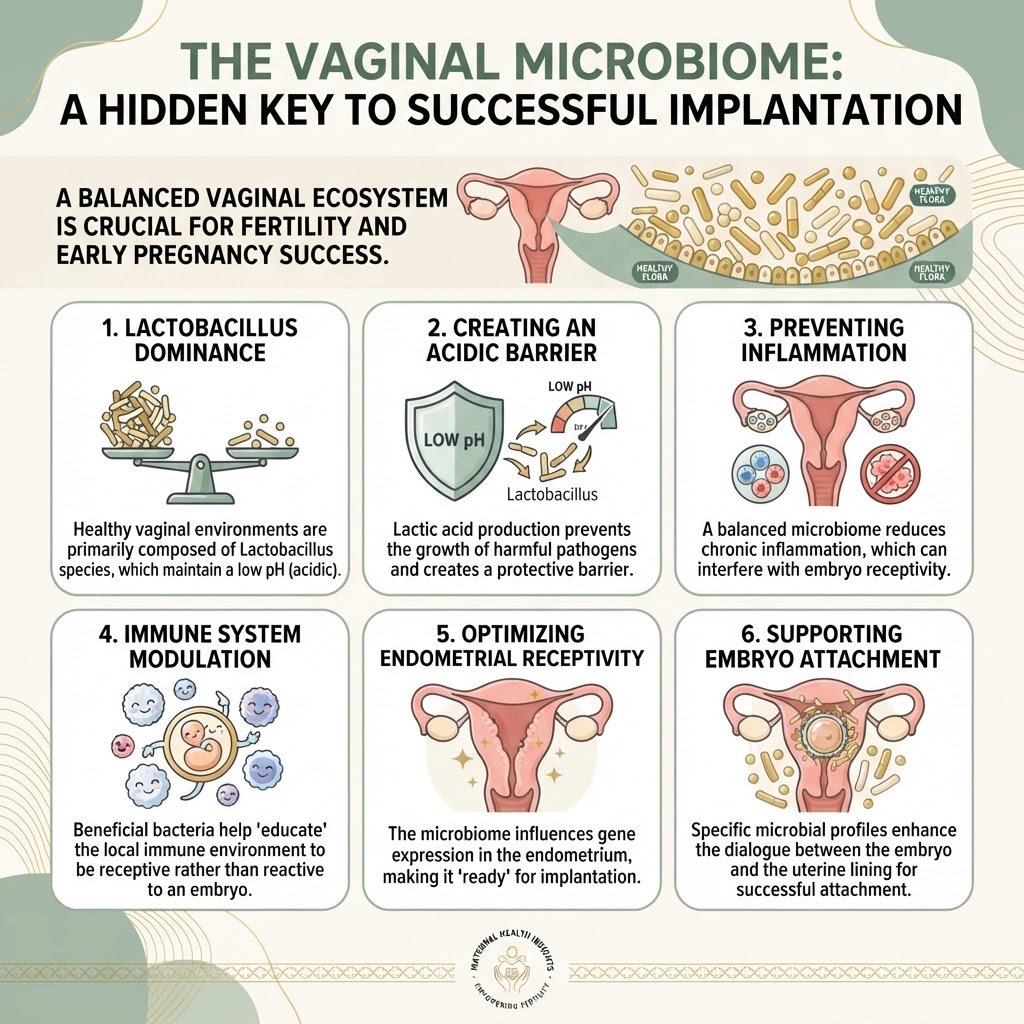
The vaginal microbiome is an ecosystem of microorganisms — predominantly bacteria — that colonise the vaginal tract. Unlike the gut, which thrives on microbial diversity, a healthy vaginal microbiome is actually characterised by low diversity and high dominance of a single genus: Lactobacillus.
There are several key Lactobacillus species found in the vagina, including L. crispatus, L. iners, L. jensenii, and L. gasseri. Of these, L. crispatus is considered the gold standard — associated with the most stable, protective vaginal environment. These bacteria produce lactic acid, which maintains a low vaginal pH (ideally between 3.8 and 4.5), creating conditions that inhibit the growth of potentially harmful pathogens.
The Uterine Microbiome: A New Frontier
Until recently, the uterus was believed to be a sterile environment. We now know this is not entirely true. Research published in the American Journal of Obstetrics and Gynecology has demonstrated the existence of a distinct uterine microbiome — and critically, its composition appears to be influenced by the vaginal microbiome, with bacteria ascending from the vagina into the endometrial cavity.
This matters enormously for implantation. The endometrium — the uterine lining into which an embryo must successfully embed — has its own microbial environment, and disruptions to this environment are now linked to implantation failure, recurrent pregnancy loss, and poor IVF outcomes.
Lactobacillus Implantation: What the Research Shows
The Lactobacillus implantation connection is one of the most exciting areas of reproductive medicine right now. A landmark study by Moreno et al. (2016) found that women with an endometrial microbiome dominated by Lactobacillus species (defined as >90% Lactobacillus) had significantly higher implantation rates, ongoing pregnancy rates, and live birth rates compared to women with a non-Lactobacillus-dominant endometrial microbiome. In fact, the live birth rate in Lactobacillus-dominant women was 60.7%, compared to just 23.1% in those with a disrupted microbiome. That is a staggering difference.
Dysbiosis and Its Consequences
When the vaginal or uterine microbiome is disrupted — a condition called dysbiosis — harmful bacteria such as Gardnerella, Prevotella, Streptococcus, and Enterococcus can proliferate. This can trigger low-grade inflammation in the endometrium, impair the development of the endometrial receptivity window (the critical period during which the uterus is ready to receive an embryo), and ultimately prevent successful implantation.
Vaginal dysbiosis is more common than most women realise. Bacterial vaginosis (BV), the most prevalent vaginal condition in women of reproductive age, is essentially a manifestation of significant vaginal dysbiosis — and it has been independently associated with increased risk of miscarriage and IVF failure.
What This Means for You: Connecting the Science to Your Journey
Understanding the biology is one thing. But what does this actually mean if you are trying to conceive?
The key takeaway is this: the health of your vaginal and uterine microbiome is not a passive background factor — it is an active determinant of whether implantation succeeds. The good news? It is also something you can actively support.
Here is what the research tells us about real-world implications:
-
IVF microbiome testing is becoming available. Some specialist fertility clinics now offer endometrial microbiome analysis (such as the EMMA and ALICE tests by Igenomix) before embryo transfer. If you have experienced recurrent implantation failure, asking your consultant about microbiome testing is a reasonable and increasingly evidence-supported step.
-
Vaginal dysbiosis may be silent. Many women with disrupted vaginal microbiomes have no symptoms — no unusual discharge, no odour, no discomfort. This is why proactive support of vaginal microbial health matters for all women trying to conceive, not just those with a diagnosed condition.
-
The gut-vaginal microbiome axis is real. Your gut microbiome and vaginal microbiome are not isolated ecosystems. Research suggests that gut bacteria, including Lactobacillus species, can migrate and influence the vaginal environment. Supporting gut health is therefore a genuinely meaningful strategy for optimising vaginal microbial balance. You can learn more about this connection in our Pregnancy Gut Guide.
-
Stress, diet, and antibiotic use all affect your vaginal microbiome. Chronic stress elevates cortisol, which can disrupt microbial balance. Diets high in sugar and refined carbohydrates feed pathogenic bacteria. Antibiotics, while sometimes necessary, can deplete beneficial Lactobacillus populations significantly.
-
Timing matters. The periconception window — the weeks before and after conception — represents a critical period for optimising microbial health. Starting interventions early gives your microbiome time to rebalance before implantation occurs.
-
Natural conception is also affected. While much of the research has emerged from the IVF microbiome field, the same biological principles apply to natural conception. A disrupted endometrial environment does not discriminate between natural and assisted reproduction.
The Role of Nutrition and Supplementation
The idea that you can support your vaginal microbiome through what you eat and the supplements you take may sound surprising — but the science genuinely supports it.
Probiotics and IVF: Growing Evidence
The connection between probiotics, IVF success, and implantation is an area of active research. A 2019 systematic review published in PLOS ONE examined the effect of Lactobacillus-containing probiotics on vaginal health and found consistent evidence that oral and vaginal probiotic supplementation could restore and maintain healthy Lactobacillus dominance. For women undergoing IVF, this translates into a meaningful, low-risk intervention that may improve the endometrial environment ahead of embryo transfer.
Oral probiotic supplementation works through the gut-vaginal axis — beneficial bacteria colonise the gut, and Lactobacillus species in particular are able to migrate and colonise the vaginal tract, helping to shift the microbial balance in a more favourable direction.
Dietary Foundations
Before we talk about supplements, diet matters enormously:
- Prebiotic-rich foods (garlic, onions, asparagus, bananas) feed beneficial bacteria and help Lactobacillus thrive
- Fermented foods (live yoghurt, kefir, kimchi) introduce beneficial microorganisms naturally
- Reduce refined sugars, which feed pathogenic bacteria and destabilise microbial balance
- Increase fibre intake to support a healthy gut microbiome that in turn supports vaginal health
- Adequate folate, vitamin D, and omega-3 fatty acids all support immune regulation and reduce the inflammatory signalling that can disrupt microbial ecosystems
PregBiotics Conception: Designed for This Moment
This is precisely why I developed PregBiotics Conception. As a physician working with women at the preconception and early pregnancy stage, I was frustrated by the lack of a supplement that genuinely addressed both gut and vaginal microbiome health alongside the standard nutrients needed for conception.
PregBiotics Conception combines clinically relevant strains and nutrients specifically chosen for this stage:
- Lactobacillus rhamnosus GR-1® & Lactobacillus reuteri RC-14® — the most studied strains for vaginal microbiome restoration and maintenance
- Lactobacillus crispatus — the cornerstone of a healthy, implantation-supportive vaginal environment
- Methylfolate (5-MTHF) — the bioavailable form of folate, critical for early neural tube development and DNA methylation
- Vitamin D3 — essential for immune modulation and endometrial receptivity
- Zinc — supports healthy ovulation and immune balance
- Omega-3 DHA — reduces systemic inflammation and supports uterine lining quality
- Prebiotic FOS (fructooligosaccharides) — feeds beneficial bacteria in both the gut and vaginal tract
This is not a standard prenatal vitamin. It is a thoughtfully formulated preconception supplement that starts where implantation begins — with the microbiome.
Expert Tips & Actionable Advice
After years of working with women at the conception stage, here are my most practical recommendations for supporting your vaginal microbiome and optimising your chances of successful implantation:
-
Start at least 3 months before you plan to conceive. Microbiome rebalancing takes time. Whether you are trying naturally or preparing for an IVF cycle, beginning supplementation and dietary changes 12 weeks ahead gives your body the runway it needs.
-
Avoid douching and harsh vaginal hygiene products. These disrupt the natural vaginal pH and strip away beneficial Lactobacillus bacteria. Water is sufficient for external vaginal hygiene.
-
Take your probiotic consistently. The key word with probiotics is consistency. Sporadic use does not allow beneficial strains to adequately colonise. Take your probiotic daily, with or after food, to maximise survival through the gut.
-
Reduce antibiotic use where possible — but always follow medical advice. If antibiotics are prescribed, always follow with a dedicated course of probiotics to help restore microbial balance. Never stop a prescribed antibiotic without speaking to your doctor.
-
Address stress actively. Chronic psychological stress measurably alters both gut and vaginal microbiome composition. Integrate stress-reduction practices — whether that is mindfulness, gentle yoga, therapy, or simply protecting sleep — as a genuine fertility strategy, not an afterthought.
-
Consider testing if you have a history of implantation failure. If you have had two or more failed IVF cycles or recurrent miscarriages, ask your fertility consultant about endometrial microbiome testing (EMMA/ALICE). It is not yet standard, but the evidence is building.
-
Prioritise sleep. Sleep deprivation increases inflammatory markers and disrupts hormonal rhythms that influence both the microbiome and endometrial receptivity. Aim for 7–9 hours of consistent sleep during your preconception period.
-
Limit alcohol. Alcohol disrupts the gut microbiome and has been associated with increased vaginal dysbiosis. The preconception period is an excellent time to reduce or eliminate alcohol entirely.
-
Maintain a healthy weight. Both obesity and being underweight are associated with altered vaginal microbiome composition and reduced implantation rates. A balanced, whole-food diet is your foundation.
-
Work with your healthcare team. No supplement or dietary strategy replaces the expertise of your GP, gynaecologist, or fertility specialist. Use these tools alongside medical care, not instead of it.
When to Seek Medical Advice
While supporting your microbiome through diet and supplementation is a safe and evidence-informed strategy, there are specific situations where you should seek prompt medical advice before proceeding independently:
- Symptoms of bacterial vaginosis or vaginal infection — unusual discharge, odour, itching, or discomfort — should always be evaluated and treated by a healthcare professional before trying to conceive
- Recurrent implantation failure or recurrent pregnancy loss warrants thorough investigation by a fertility specialist, which may include endometrial microbiome testing
- Any current medications, including immunosuppressants or antifungals, may interact with probiotic supplementation — always discuss new supplements with your prescribing doctor
- Existing health conditions such as autoimmune disorders, inflammatory bowel disease, or immunocompromise require personalised guidance before starting probiotic therapy
I always encourage the women I work with to view supplementation as a partnership with their medical care — not a replacement for it. If in doubt, bring this article to your next appointment and discuss it with your provider. Your questions deserve answers.
Conclusion
The vaginal microbiome is no longer a footnote in reproductive medicine — it is increasingly recognised as a central player in the story of successful implantation. From the elegant biology of Lactobacillus-dominant protection to the emerging field of endometrial microbiome testing, the science is clear: the microbial environment of your reproductive tract matters, profoundly, to whether an embryo can implant and a pregnancy can begin.
The empowering truth is that this is not something happening to you beyond your control. Through targeted nutrition, consistent probiotic supplementation, lifestyle choices, and thoughtful medical partnership, you can actively create a more favourable environment for implantation — whether you are trying naturally or undergoing IVF.
PregBiotics Conception was created to support you at exactly this stage — with the specific probiotic strains, bioavailable nutrients, and prebiotic support your body needs during the preconception window. It is science in a capsule, formulated by a doctor who understands both the biology and the emotional weight of this journey.
You deserve to go into conception with every possible advantage. Your microbiome is part of that story — and now you know how to support it.
For more evidence-based guidance on gut and microbiome health throughout pregnancy, explore The PregBiotics Journal — your trusted companion at every stage of the journey.
With warmth and science, Dr. Chomba Chuma, MD Founder, PregBiotics
This article is for informational purposes only and does not constitute medical advice. Always consult a qualified healthcare professional before making changes to your supplement regimen or healthcare plan.
Get the PregBiotics Journal in your inbox
Gut-smart guidance for conception, pregnancy and breastfeeding — twice a week, plus member-only offers. Unsubscribe anytime.
You deserve to feel beautifully supported.
Join thousands of mothers on the PregBiotics journey. Receive your free Pregnancy Prep Guide and gentle, science-backed wisdom — tailored to where you are right now.