The Gut Microbiome 101: Everything a Mother Needs to Know
Imagine discovering that the most powerful health tool available to you and your baby isn't a prescription, a specialist referral, or even a cutting-edge medical procedure — it's already living inside you, right now, quietly orchestrating your immunity, your mood, your digestion, and even your baby'
Dr. Chomba Chuma, MD & Founder
MD & Founder, PregBiotics

The Gut Microbiome 101: Everything a Mother Needs to Know
By Dr. Chomba Chuma, MD & Founder | PregBiotics Journal
Introduction: Your Body Is Home to 38 Trillion Tiny Allies
Imagine discovering that the most powerful health tool available to you and your baby isn't a prescription, a specialist referral, or even a cutting-edge medical procedure — it's already living inside you, right now, quietly orchestrating your immunity, your mood, your digestion, and even your baby's earliest development.
That's the reality of the gut microbiome. And yet, for most women I see in clinical practice, it remains one of the most misunderstood aspects of their health — especially during pregnancy and the postpartum period.
Here's a statistic that never fails to stop mothers in their tracks: the human gut is home to approximately 38 trillion microbial cells, outnumbering our own human cells by a remarkable margin. These microorganisms — bacteria, viruses, fungi, and other microscopic organisms — form a living ecosystem that influences nearly every system in the body.
As a physician and the founder of PregBiotics, I've spent years at the intersection of maternal health and gut science. I created this brand because I kept seeing the same gap in clinical care: mothers were asking profound questions about gut health, and they weren't getting the thorough, empowering answers they deserved.
This article is my attempt to change that. Whether you're newly pregnant, currently breastfeeding, or simply a mother who wants to understand her body better, this is your complete, science-backed introduction to gut microbiome basics. We'll cover what the microbiome actually is, why it matters so deeply during motherhood, what the science says about keeping it healthy, and how targeted nutrition and supplementation — including the PregBiotics Range — can make a meaningful difference.
Let's start from the beginning.
The Science of the Microbiome: What Is It, Really?
Defining the Microbiome
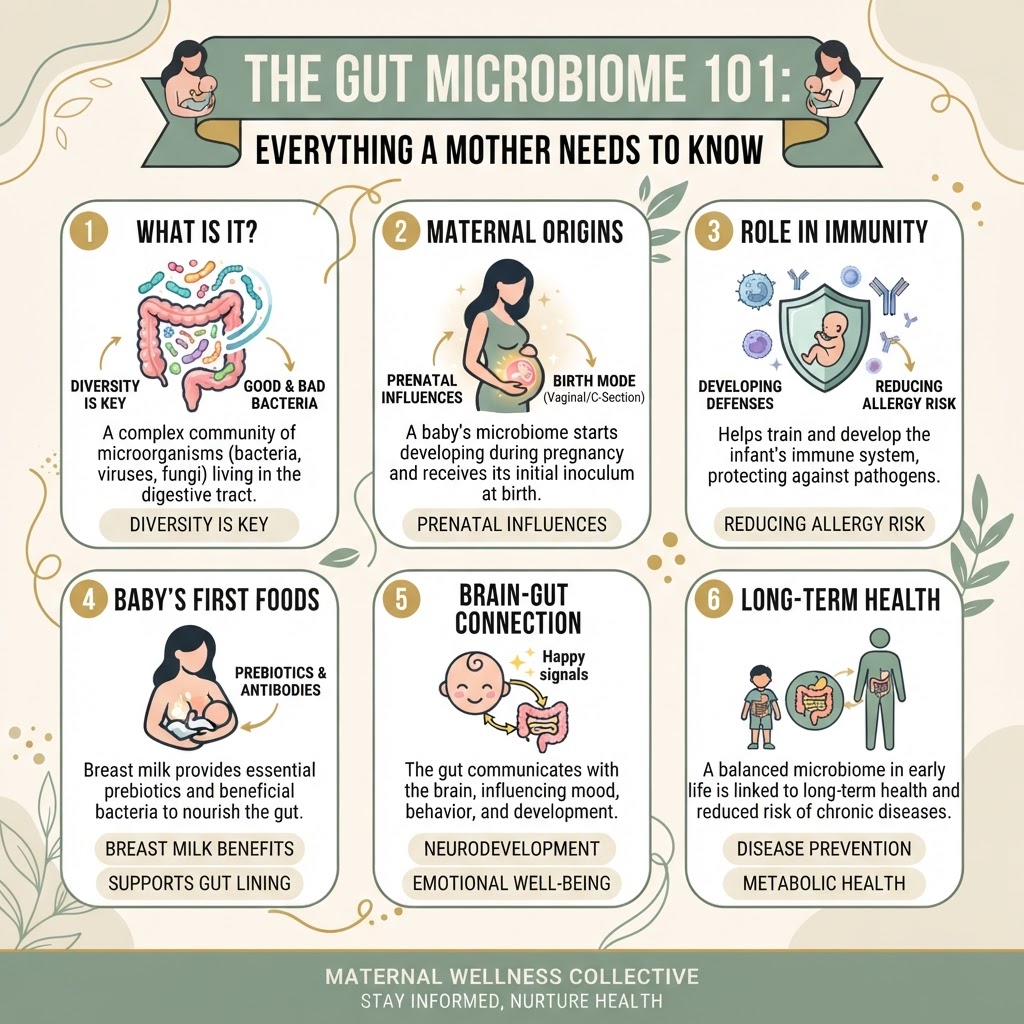
When we talk about the gut microbiome, we're referring to the vast community of microorganisms that reside primarily in the large intestine, along with their collective genetic material. The term microbiome itself refers to both the organisms (the microbiota) and their functional genes — think of it as the operating system running silently in the background of your biology.
This isn't a simple collection of passengers hitching a ride. These microbial communities are deeply integrated into human physiology. They help digest food, synthesise vitamins (including vitamin K and several B vitamins), regulate the immune system, modulate inflammation, produce neurotransmitters like serotonin, and maintain the integrity of the gut lining — your body's first line of defence against pathogens.
How Your Microbiome Is Established
The science of microbiome development is fascinating — and deeply relevant to mothers. For many years, scientists believed babies were born with a sterile gut. We now know this isn't entirely accurate. Research suggests microbial transfer may begin in utero, but the most significant colonisation events occur at and immediately after birth.
- Vaginal delivery exposes the newborn to the mother's vaginal and gut microbiota, seeding the baby's gut with beneficial strains like Lactobacillus.
- Breastfeeding continues this transfer. Breast milk contains its own microbiome, as well as human milk oligosaccharides (HMOs) — complex sugars that act as prebiotics, selectively feeding beneficial bacteria in the infant gut.
- The first 1,000 days of life — from conception through a child's second birthday — represent a critical window during which the microbiome is shaped, with lifelong implications for immune function, metabolism, and even mental health.
What Shapes the Adult Microbiome?
By adulthood, your microbiome is relatively stable but far from fixed. Key influencing factors include:
- Diet (the single most powerful modifiable factor)
- Antibiotic and medication use
- Stress levels
- Sleep quality
- Mode of delivery at birth
- Infant feeding history
- Geographical location and environmental exposures
- Hormonal fluctuations — including those associated with pregnancy
Pregnancy, in particular, causes dramatic shifts in the maternal microbiome. Research published in Cell Host & Microbe demonstrated that the gut microbiome undergoes significant compositional changes across the three trimesters, with a notable decrease in microbial diversity by the third trimester. While some of these changes are adaptive and normal, they also create a window of vulnerability that nutrition and supplementation can meaningfully address.
The Gut-Brain-Immune Axis
One of the most exciting frontiers in microbiome science is understanding how the gut communicates with the brain (the gut-brain axis) and the immune system. Approximately 70–80% of the body's immune cells reside in the gut. The gut also produces around 90% of the body's serotonin — a neurotransmitter critical for mood regulation. This helps explain the growing body of evidence linking gut dysbiosis (microbial imbalance) with anxiety, depression, and perinatal mood disorders, something deeply relevant in the context of microbiome motherhood.
What This Means for You as a Mother
Understanding the gut microbiome basics is one thing — knowing what it means for your day-to-day experience as a mother is another. Let me translate the science into something tangible.
During Pregnancy
The microbiome changes of pregnancy aren't entirely problematic — some are genuinely useful. For instance, reduced gut motility (things slow down in your digestive tract) helps extract more nutrients from food, which supports the growing baby. But these same changes can contribute to:
- Constipation and bloating — among the most commonly reported pregnancy complaints
- Increased susceptibility to vaginal and gut infections, including Group B Streptococcus (GBS), a bacterium that can be transferred to the baby during labour. (If you'd like to understand more about GBS specifically, I'd encourage you to read our dedicated resource, the GBS Shield.)
- Gestational diabetes risk — emerging evidence links microbiome composition to glucose metabolism and insulin sensitivity during pregnancy
- Perinatal anxiety and depression — via the gut-brain axis, a disrupted microbiome may amplify mood dysregulation
During the Postpartum Period
Postpartum gut health is often entirely overlooked in maternal care. Yet after birth, the body is recovering from one of its most physically demanding experiences. A disrupted microbiome during this period is associated with:
- Postpartum mood disorders — including postpartum depression and anxiety
- Difficulty losing pregnancy weight, linked to microbial imbalance and metabolic dysregulation
- Breastfeeding challenges, including mastitis (breast infection), which has been linked to disrupted breast and gut microbiota
- Infant colic and reflux, partly mediated through the microbial composition of breast milk and the infant's early colonisation
Signs Your Microbiome May Need Support
- Persistent bloating, gas, or irregular bowel movements
- Recurring thrush or bacterial vaginosis
- Fatigue that feels disproportionate
- Low mood or heightened anxiety
- Frequent minor infections
- Skin flare-ups (eczema, acne)
- Cravings for sugar and refined carbohydrates
None of these symptoms should be dismissed as "just part of pregnancy" or "just the newborn phase." They are signals worth listening to.
The Role of Nutrition & Supplementation in Supporting Your Microbiome
This is where gut health education becomes genuinely empowering — because the microbiome is responsive. You have real agency here.
Probiotics vs Prebiotics: Understanding the Difference
This is one of the most common points of confusion I encounter, so let's clear it up definitively.
-
Probiotics are live microorganisms that, when consumed in adequate amounts, confer a health benefit on the host. They are living bacteria and yeasts — the "good guys" you're adding to your gut ecosystem. Common probiotic strains include Lactobacillus rhamnosus, Lactobacillus acidophilus, Bifidobacterium longum, and Bifidobacterium lactis.
-
Prebiotics are non-digestible dietary fibres that selectively feed and stimulate the growth of beneficial bacteria already living in your gut. Think of them as fertiliser for your internal garden. Key prebiotic compounds include inulin, fructooligosaccharides (FOS), galactooligosaccharides (GOS), and human milk oligosaccharides (HMOs).
-
Synbiotics are products that combine both probiotics and prebiotics, working synergistically to both introduce beneficial bacteria and fuel their growth. This is widely regarded as the most effective approach to microbiome support.
Key Nutrients and Strains for Maternal Gut Health
A well-designed maternal supplement should address the specific microbiome needs of pregnancy and the postpartum period. Evidence-based targets include:
- Lactobacillus rhamnosus GG — extensively studied for reducing GBS colonisation and vaginal dysbiosis
- Lactobacillus acidophilus — supports digestive comfort and immune modulation
- Bifidobacterium longum — critical for infant gut seeding via breastfeeding; supports maternal mood via the gut-brain axis
- Bifidobacterium lactis — associated with reduced gestational constipation and enhanced immune response
- Inulin & FOS — plant-derived prebiotics that selectively nourish Lactobacillus and Bifidobacterium species
- Vitamin D3 — works synergistically with the gut microbiome to regulate immune function; deficiency is common in pregnancy
- Folate (methylfolate) — supports gut mucosal integrity alongside its well-known role in neural tube development
- Omega-3 fatty acids — anti-inflammatory, and emerging evidence suggests they positively modulate microbiome diversity
How the PregBiotics Range Was Designed With This in Mind
Every product in the PregBiotics Range was formulated with this evidence base at its core. I designed these supplements not as generic probiotics rebadged for pregnancy, but as precision maternal tools — stage-specific, strain-selected, and synbiotic in their approach.
For mothers who are breastfeeding, the microbiome work doesn't stop at birth. The PregBiotics Breastfeeding formula continues to support the maternal gut and the microbial composition of breast milk, with strains specifically chosen to pass beneficial bacteria to your baby through feeding. It's one of the aspects of the range I'm most proud of scientifically.
The WHO's guidelines on infant feeding reinforce that supporting maternal nutrition during lactation is inseparable from supporting infant development — the PregBiotics Range was built with exactly that holistic view in mind.
Infographic: Probiotics vs Prebiotics — What's the Difference and Why Both Matter for Mothers
Expert Tips & Actionable Advice for a Healthier Gut
Here are my top evidence-informed recommendations for every mother looking to nurture her microbiome:
-
Eat a diverse, plant-rich diet. Aim for 30 different plant foods per week — vegetables, fruits, legumes, wholegrains, nuts, seeds, and herbs all count. Diversity in diet directly predicts diversity in your microbiome, and diversity is associated with resilience and better health outcomes.
-
Prioritise fermented foods. Natural sources of probiotics include live yoghurt, kefir, kimchi, sauerkraut, miso, and tempeh. Even small daily amounts meaningfully support microbial diversity. Research published in Cell (2021) found that a high-fermented-food diet significantly increased microbiome diversity and reduced inflammatory markers.
-
Choose a stage-specific, synbiotic supplement. Not all probiotics are equal — especially during pregnancy and breastfeeding. Choose a product with clinically evidenced strains, clearly stated CFU counts, and appropriate prebiotic support. The PregBiotics Range was specifically designed to meet this standard.
-
Limit ultra-processed foods and refined sugars. These feed opportunistic, pro-inflammatory bacteria and reduce microbial diversity. This doesn't mean perfect eating — it means consistent, nourishing choices most of the time.
-
Protect your gut when taking antibiotics. Antibiotics are sometimes medically necessary during pregnancy and postpartum. If prescribed, take a probiotic supplement at least two hours apart from the antibiotic dose, and continue for a minimum of four weeks after the course ends to aid microbial recovery.
-
Manage stress actively. Chronic stress elevates cortisol, which directly disrupts gut barrier integrity and microbial composition. Mindfulness, gentle movement, adequate sleep, and social support aren't luxuries — they are microbiome medicine.
-
Stay well hydrated. Water is essential for the mucosal lining of the gut and for the transit time that affects bacterial balance. Aim for at least 8–10 glasses of water daily, more during breastfeeding.
-
Move your body gently and consistently. Even moderate exercise — daily walking, prenatal yoga, swimming — has been shown to positively influence gut microbiome composition. You don't need to be a marathon runner to benefit.
-
If you had a caesarean birth, be proactive. Babies born by C-section miss the microbial exposure of vaginal delivery. Discuss microbiome-seeding strategies with your healthcare provider, and ensure your own gut health is prioritised throughout recovery and breastfeeding.
-
Read and learn. Our Pregnancy Gut Guide is a free, comprehensive resource I created to help mothers go deeper on this topic at every stage of their journey.
When to Seek Medical Advice
While most gut health optimisation is well within the remit of self-care, nutrition, and supplementation, there are important situations where you should always consult your doctor, midwife, or healthcare provider:
- Severe or persistent diarrhoea or constipation that isn't responding to dietary changes
- Blood in stools at any point during pregnancy or postpartum
- Significant abdominal pain that is new or worsening
- Signs of infection, including fever, unusual vaginal discharge, or urinary symptoms
- Symptoms of severe postnatal depression or anxiety — your gut health matters, but so does accessing appropriate clinical mental health support
- Before starting any new supplement during pregnancy or breastfeeding — even well-formulated, evidence-based products like the PregBiotics Range. Always inform your healthcare team of what you're taking
It is also worth noting that while probiotics have an excellent safety profile in pregnancy, NHS guidance recommends discussing supplementation with your midwife or GP, particularly if you have any immune-related conditions or pregnancy complications.
Your instincts matter too. If something feels wrong, don't wait — seek advice.
Conclusion: Your Microbiome Is Your Motherhood Superpower
We've covered a great deal of ground together in this article, and I want to leave you with the most important message of all: knowledge is empowerment.
Understanding your gut microbiome — what it is, how it changes during pregnancy and beyond, how it shapes your baby's earliest health, and how you can actively support it — puts you in a position of genuine agency. The science is clear that the gut microbiome sits at the heart of maternal and infant wellbeing, yet it remains one of the most underserved areas of antenatal and postnatal care.
Here's what I want you to take away from this article:
- Your gut microbiome is a dynamic, responsive ecosystem — not a fixed fate
- The choices you make around diet, lifestyle, and supplementation have real, measurable effects on your microbial health
- The distinction between probiotics vs prebiotics matters — and ideally, you want both working together
- The changes of pregnancy and postpartum create specific microbiome needs that deserve specific, science-led solutions
- You are not alone in navigating this — there is excellent science, and resources built with you in mind
The PregBiotics Range exists because I believe every mother deserves access to clinical-grade, evidence-based gut health support — at every stage of her journey. Whether you're in your first trimester, the thick of newborn life, or somewhere in between, there is a formulation designed to meet you where you are.
For more articles like this one, I invite you to explore The PregBiotics Journal, where my team and I publish regular, research-backed content on everything maternal gut health — from prebiotics to postpartum recovery, and everything in between.
Your microbiome is extraordinary. Trust it. Nourish it. And know that in doing so, you're giving both yourself and your baby the very best possible start.
Dr. Chomba Chuma, MD is a physician and the Founder of PregBiotics. Her clinical and research focus is maternal gut health, the microbiome-immune axis in pregnancy, and evidence-based supplementation for mothers. All content published in The PregBiotics Journal is intended for educational purposes and does not constitute personalised medical advice.
Get the PregBiotics Journal in your inbox
Gut-smart guidance for conception, pregnancy and breastfeeding — twice a week, plus member-only offers. Unsubscribe anytime.
You deserve to feel beautifully supported.
Join thousands of mothers on the PregBiotics journey. Receive your free Pregnancy Prep Guide and gentle, science-backed wisdom — tailored to where you are right now.