Group B Streptococcus in Pregnancy: What Every Mother Needs to Know About GBS Screening, Prevention, and the Power of Your Gut
*By Dr. Chomba Chuma, MD & Founder | PregBiotics Journal* --- Imagine reaching the final weeks of your pregnancy — the nursery is ready, your hospital bag is packed, and you are counting down the days to meeting your baby. Then your midwife mentions something called Group B Strep, and suddenly you
Dr. Chomba Chuma, MD & Founder
MD & Founder, PregBiotics

Group B Streptococcus in Pregnancy: What Every Mother Needs to Know About GBS Screening, Prevention, and the Power of Your Gut
By Dr. Chomba Chuma, MD & Founder | PregBiotics Journal
Introduction: A Common Bacteria With Serious Consequences — And What You Can Do About It
Imagine reaching the final weeks of your pregnancy — the nursery is ready, your hospital bag is packed, and you are counting down the days to meeting your baby. Then your midwife mentions something called Group B Strep, and suddenly you are searching the internet at midnight, trying to make sense of a result you never expected.
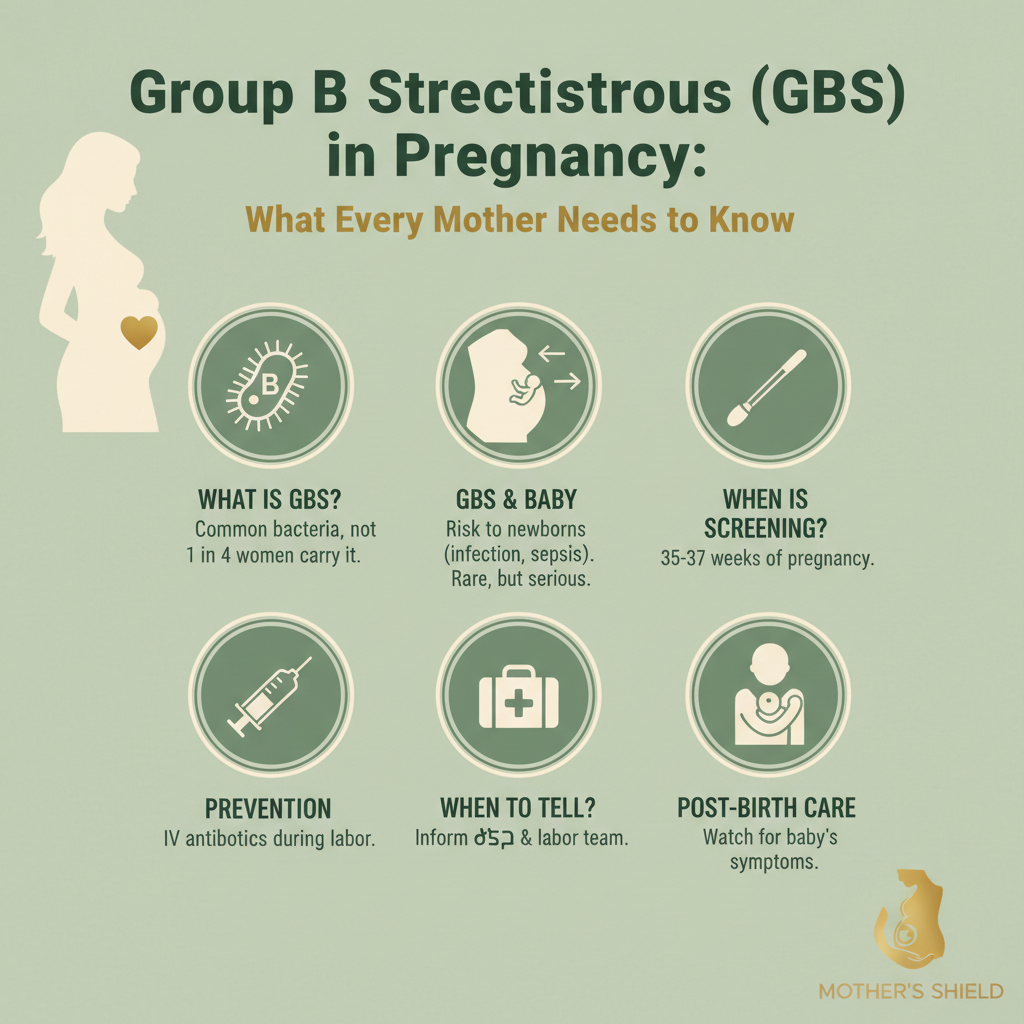
You are not alone. Group B Streptococcus — commonly known as GBS — affects approximately 1 in 4 pregnant women in the United States, yet it remains one of the most under-discussed topics in prenatal care. Despite being a naturally occurring bacterium that lives harmlessly in the gut and vaginal tract of many healthy adults, GBS can pose serious risks to newborns during labour and delivery. It is the leading cause of life-threatening infection in newborns in high-income countries, responsible for conditions including meningitis, sepsis, and pneumonia.
The good news? Knowledge is power. Understanding what GBS is, how GBS screening in pregnancy works, what your results mean, and — crucially — what proactive steps you can take to support your body's natural defences can make an enormous difference to both your experience and your baby's health outcomes.
In this article, I will walk you through the science of GBS in pregnancy, explain what the research says about the role of the gut microbiome and probiotics in GBS management, and introduce the evidence-informed approach underpinning our GBS Shield protocol. Whether you have just received a positive GBS result or you are planning ahead, this guide is for you.
Understanding Group B Streptococcus: The Science Every Pregnant Mother Should Know
What Exactly Is GBS?
Streptococcus agalactiae, the bacterium we refer to as Group B Streptococcus (GBS), is a gram-positive bacterium that colonises the gastrointestinal and genitourinary tracts of roughly 10–40% of healthy adults worldwide, depending on the population studied. In most healthy, non-pregnant individuals, GBS causes no symptoms whatsoever. It is classified as a commensal organism — meaning it can live alongside us without causing harm under normal circumstances.
However, during pregnancy and childbirth, the dynamics change significantly.
Why Pregnancy Changes Everything
During labour and vaginal delivery, a baby passes through the birth canal and can be exposed to GBS bacteria colonising the vagina or rectum. In some cases — particularly in preterm births, prolonged labour, or when the membranes rupture early — this exposure can lead to early-onset GBS disease (EOGBS) in the newborn, typically presenting within the first 7 days of life. Late-onset GBS disease can also occur between 7 days and 3 months of age.
The consequences can be severe:
- Neonatal sepsis (bloodstream infection)
- Pneumonia
- Meningitis, which can lead to long-term neurological complications
- In the most tragic cases, death
According to data published by the World Health Organization, infections like GBS remain a significant driver of neonatal mortality globally, making maternal GBS education a genuine public health priority.
How Does GBS Colonisation Actually Work?
GBS is not a permanent resident. Its presence in the vaginal and rectal microbiome fluctuates over time — a woman may test negative at one point in pregnancy and positive at another. This is one reason why GBS screening pregnancy guidelines recommend testing at a specific gestational window, typically between 35 and 37 weeks, to most accurately reflect colonisation status at the time of delivery.
Research published in Clinical Microbiology Reviews has highlighted that GBS colonisation is closely linked to the broader composition of the vaginal and gut microbiome. Women with a Lactobacillus-dominant vaginal microbiome — particularly Lactobacillus crispatus — tend to show lower rates of GBS colonisation. This is a critical insight that connects the worlds of microbiology, preventive medicine, and the science behind probiotic supplementation.
The Role of the Immune System
During pregnancy, the maternal immune system undergoes profound modulation to tolerate the growing foetus. This natural immune adaptation, while necessary, may also create conditions in which GBS can flourish in the lower reproductive tract. Understanding this context helps explain why GBS in pregnancy deserves specific, targeted attention rather than a one-size-fits-all approach.
What a GBS Diagnosis Actually Means For You: Making the Science Practical
Receiving a positive GBS result can feel alarming, but it is important to frame this correctly from the outset: a positive GBS screen does not mean you or your baby will definitely become ill. It means your care team now has the information needed to protect your baby during birth.
Here is what a positive GBS result practically means for your pregnancy and birth plan:
-
Intrapartum antibiotic prophylaxis (IAP): The current standard of care for GBS-positive mothers is the administration of intravenous antibiotics — typically penicillin — during active labour. This has been shown to reduce early-onset GBS disease in newborns by approximately 80%, according to guidelines from the UK NHS and the American College of Obstetricians and Gynecologists.
-
Your birth plan may need adjustment: If you were planning a water birth or early membrane rupture, your midwife or obstetrician will discuss any modifications needed to minimise infection risk while honouring your preferences where possible.
-
Additional monitoring for your baby: After birth, your newborn may be observed more closely for signs of infection, even if they appear healthy. This is precautionary and standard practice.
-
Not all GBS-positive mothers require antibiotics: Women planning a caesarean section before labour begins and before membranes rupture typically do not require intrapartum antibiotics for GBS, though individual clinical decisions vary.
What a Negative Result Means
A negative GBS screen at 35–37 weeks is reassuring but does not guarantee that colonisation will not occur by the time labour begins. This is why proactive microbiome support throughout pregnancy — not just in response to a positive test — is so valuable.
GBS and Preterm Labour
Women who go into preterm labour before GBS screening has been completed are often treated empirically with antibiotics as a precautionary measure, given the heightened vulnerability of premature newborns. If you are at risk for preterm birth, discussing GBS management early with your healthcare provider is especially important.
Emotional Impact — You Are Not to Blame
One thing I want every mother reading this to hear clearly: GBS colonisation is not the result of anything you did or did not do. It is a naturally occurring part of human microbiology. The fact that you are reading this article and seeking to understand the science means you are already doing something incredibly powerful for your baby.
The Role of Nutrition, Gut Health, and Supplementation in GBS Prevention
This is where the science becomes genuinely exciting — and where PregBiotics was born.
Emerging research is building a compelling case that the composition of the gut and vaginal microbiome plays a direct role in GBS colonisation rates. A 2020 study published on PubMed/NCBI found significant associations between vaginal microbiome diversity, Lactobacillus dominance, and reduced GBS carriage in pregnant women. This opens a meaningful conversation about whether targeted probiotic and nutritional interventions can serve as a complementary strategy alongside conventional GBS management.
Key Strains and Nutrients in Our GBS Shield Protocol
Our GBS Shield Protocol was developed based on a thorough review of the peer-reviewed literature, incorporating strains and nutrients with the strongest evidence base for maternal microbiome support:
-
Lactobacillus rhamnosus GR-1: One of the most extensively studied probiotic strains for vaginal health, with demonstrated ability to colonise the vaginal tract and create an environment hostile to pathogenic bacteria including GBS.
-
Lactobacillus reuteri RC-14: Frequently studied alongside GR-1, this strain produces hydrogen peroxide and bacteriocins that may directly inhibit GBS growth.
-
Lactobacillus crispatus: Naturally dominant in healthy vaginal microbiomes with low GBS colonisation, making it a compelling inclusion in targeted protocols.
-
Vitamin D3 (2000 IU): Vitamin D deficiency has been independently associated with increased susceptibility to GBS colonisation in pregnancy. Immune-modulating properties make adequate vitamin D a foundational element of maternal infection resilience.
-
Selenium: A trace mineral with significant antioxidant and immune-supporting properties, relevant to both maternal health and foetal neurological development.
-
Prebiotics (FOS/Inulin blend): Feeding the beneficial bacteria you are supplementing is just as important as introducing them. Our prebiotic blend ensures probiotic strains can thrive and establish effective colonisation.
-
Lactoferrin: A naturally occurring antimicrobial glycoprotein found in breast milk and mucous membranes, with evidence suggesting activity against streptococcal species.
How the GBS Shield Protocol Works Holistically
Rather than treating GBS as an isolated clinical event, the GBS Shield Protocol takes a whole-body microbiome approach — recognising that a healthy gut environment influences the vaginal microbiome through what researchers call the gut-vaginal axis. By nourishing beneficial bacteria from the inside out, and supporting immune resilience through targeted micronutrients, the protocol is designed to work with your body's natural defences.
This is not a replacement for standard medical care or intrapartum antibiotics if indicated. It is a science-led complement — empowering you to do everything within your power to support a healthy pregnancy outcome.
Expert Tips: Actionable Steps to Support Your GBS Management in Pregnancy
As both a medical doctor and the founder of PregBiotics, I want to leave you with practical, evidence-informed steps you can begin today:
-
Attend your GBS screening appointment: Do not skip the 35–37 week swab test. Results directly inform your labour management plan and could be lifesaving for your newborn. If you are unsure whether you have been tested, ask your midwife or OB at your next appointment.
-
Start probiotic support early — do not wait for results: Because the microbiome takes time to shift, the greatest benefit from probiotic supplementation comes from consistent, long-term use. Ideally, begin gut health support in the first or second trimester rather than reacting after a positive test.
-
Optimise your diet for microbiome diversity: Incorporate fermented foods (yoghurt, kefir, sauerkraut, kimchi) daily, and focus on a high-fibre, plant-rich diet that feeds beneficial bacteria. The Pregnancy Gut Guide on the PregBiotics app provides trimester-specific meal planning based on microbiome science.
-
Check your vitamin D levels: Request a 25-hydroxyvitamin D blood test at your next prenatal visit. Deficiency is extremely common in pregnancy and is independently linked to immune vulnerability.
-
Avoid unnecessary antibiotic use during pregnancy: Antibiotics disrupt the gut and vaginal microbiome and may paradoxically increase susceptibility to GBS colonisation by eliminating competing Lactobacillus species. Only take antibiotics when clinically necessary and always discuss alternatives with your provider.
-
Reduce sugar intake: GBS and other opportunistic bacteria thrive in high-sugar environments. A lower glycaemic diet supports a Lactobacillus-dominant microbiome and reduces the pH conditions that favour GBS.
-
Stay hydrated and manage stress: Both dehydration and chronic psychological stress negatively impact immune function and microbiome composition. Mindfulness practices, gentle prenatal yoga, and consistent hydration are genuinely useful tools.
-
Communicate openly with your birth team: If you test positive for GBS, have a clear conversation about your birth preferences, the antibiotic protocol, penicillin allergy (if applicable), and your baby's post-birth monitoring plan. Knowledge reduces anxiety and improves outcomes.
-
Consider the full GBS Shield Protocol consistently for at least 8 weeks before your due date: Microbiome changes require time and consistency. Starting well before your due date gives the protocol the best opportunity to support a meaningful shift in your microbial landscape.
When to Seek Immediate Medical Advice
While everything in this article is designed to educate and empower you, there are situations where you should contact your healthcare provider without delay:
- Signs of GBS infection during pregnancy: Fever, urinary tract pain, or unusual vaginal discharge should always be evaluated promptly.
- Preterm labour before your GBS test: If you go into labour before 37 weeks and have not yet been screened, tell your care team immediately so appropriate antibiotic prophylaxis decisions can be made.
- Your newborn shows signs of illness: Fever, poor feeding, unusual breathing, limpness, or irritability in a newborn — particularly in the first weeks of life — warrants immediate medical attention. Early-onset GBS disease can progress rapidly.
- Penicillin allergy: If you have a known or suspected penicillin allergy, discuss this with your obstetrician well before labour so alternative antibiotics can be planned in advance.
- Questions about supplementation safety: Always discuss any supplements, including probiotics, with your midwife, OB, or GP before beginning a new protocol during pregnancy.
Nothing in this article replaces personalised medical advice from a qualified healthcare professional who knows your full history.
Conclusion: You Are More Empowered Than You Know
Group B Streptococcus in pregnancy is one of those topics that sits at the intersection of everyday biology and high-stakes neonatal health. It affects a significant proportion of pregnant women and yet, until recently, the conversation has largely been limited to a late-pregnancy swab test and, if positive, antibiotics in labour.
The science is now telling a richer, more empowering story.
Your gut microbiome, your vaginal microbiome, your nutritional status, and your immune resilience are not passive bystanders in this process. They are active participants — and they can be supported, nourished, and strengthened throughout your pregnancy journey.
Whether you are GBS-positive and looking for complementary support, GBS-negative and hoping to stay that way, or simply a mother who wants to do everything possible for a healthy birth, the tools exist. Routine GBS screening, informed conversations with your care team, a microbiome-supportive diet, and a science-led supplement protocol like our GBS Shield are all pieces of the same protective puzzle.
At PregBiotics, we believe that every mother deserves access to the latest science — translated into practical, safe, and effective tools she can actually use. Explore more evidence-based guidance on maternal health across every stage of pregnancy at The PregBiotics Journal.
You are not just surviving pregnancy. You are actively shaping the health of the next generation. And that begins in your gut.
With warmth and clinical care, Dr. Chomba Chuma, MD Founder, PregBiotics
This article is intended for educational purposes only and does not constitute medical advice. Always consult your healthcare provider before making changes to your prenatal care routine.
Get the PregBiotics Journal in your inbox
Gut-smart guidance for conception, pregnancy and breastfeeding — twice a week, plus member-only offers. Unsubscribe anytime.
You deserve to feel beautifully supported.
Join thousands of mothers on the PregBiotics journey. Receive your free Pregnancy Prep Guide and gentle, science-backed wisdom — tailored to where you are right now.